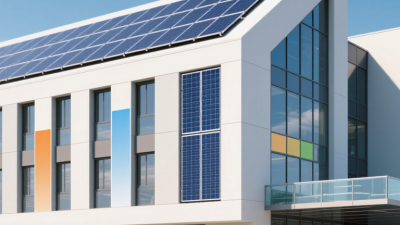
Top Solar Energy Systems for Global Buyers
Choosing among solar energy systems is no longer a simple comparison of panel wattage and price. Global buyers must examine climate, roof design, electricity rates, storage needs, and local installation standards. A compact rooftop system may suit a sunny apartment building, while a larger hybrid system may support a remote home with unstable grid access. Battery capacity also matters during evening demand, cloudy weather, and short outages.
The strongest options usually combine efficient panels, a reliable inverter, practical monitoring software, and suitable protection equipment. Buyers should review manufacturer datasheets, warranty conditions, certification records, and installer experience before signing a contract. Standards such as IEC testing can provide useful guidance, but approval requirements differ between countries. Local professionals can also identify issues that online calculators miss, including roof shading, cable distances, humidity, dust, and wind exposure.
There is no universal winner.
Real-world performance often differs from laboratory ratings. A panel producing well in a cool test facility may deliver less energy on a hot, dusty roof. Battery savings can also disappoint when usage patterns change. This article compares leading solar energy systems for international buyers through technical performance, reliability, maintenance, value, and after-sales support. It also considers practical ownership details, such as replacing an inverter after several years or cleaning panels near agricultural land. Some recommendations remain conditional, because regional prices and regulations change. Careful buyers should verify current information with qualified installers and trusted manufacturers before making a final decision.
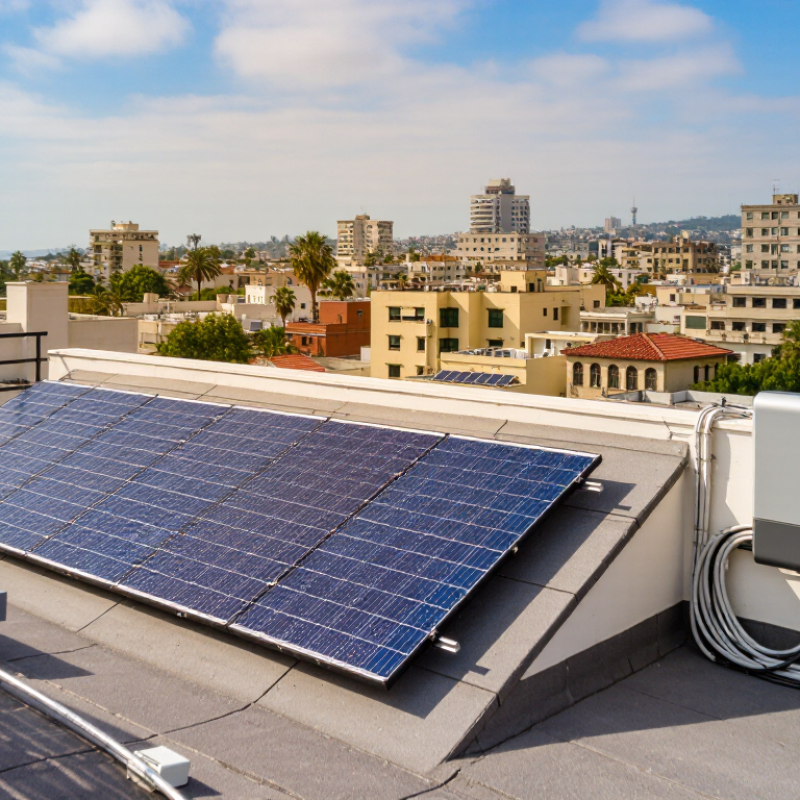
Understanding Solar Energy System Types for Different Global Markets
Top Solar Energy Systems for Global Buyers
Understanding Solar Energy System Types for Different Global Markets
Solar energy systems should match local grids, weather, and daily electricity patterns. Grid-tied rooftop systems suit markets with reliable networks and established net-billing rules. They reduce daytime purchases but usually shut down during blackouts. Battery storage changes that limitation. The IEA’s Renewables 2024 report identifies solar PV as the main driver of new renewable capacity through 2030, making system flexibility increasingly important.
Hybrid systems combine solar panels, batteries, and grid power. They work well where outages are frequent or tariffs change by hour. A small shop may run refrigeration from a battery after sunset, while a rural clinic can reserve energy for medical equipment. In weak-grid regions, solar home systems and village microgrids offer a more practical route than full grid connection. IRENA’s Renewable Capacity Statistics 2025 recorded about 452 gigawatts of new solar capacity added globally in 2024. Scale is accelerating.
Climate still complicates the choice. Dust, heat, humidity, and seasonal clouds can reduce output and increase maintenance. Buyers should check temperature coefficients, enclosure ratings, battery operating limits, and local technician access. An oversized battery is not always wiser; it can raise costs and sit underused. That assumption deserves scrutiny. Good design begins with measured load data, not optimistic annual estimates.
| Global Market | Recommended Solar System Type | Typical PV System Size | Typical Battery Configuration | Common Electrical Standard | Best-Fit Applications | Key Design Priorities |
|---|---|---|---|---|---|---|
| North America | Grid-Tied or Hybrid Residential System | 3–15 kW for homes; 20–500 kW for small commercial sites | Optional; commonly 5–30 kWh for backup and peak-shifting | Residential systems commonly use 120/240 V, 60 Hz split-phase service | Rooftop generation, outage backup, net-metering or self-consumption projects | Utility interconnection approval, rapid shutdown requirements, snow and wind loading, battery backup priorities, and local fire codes |
| Europe | Self-Consumption Hybrid System or Commercial Rooftop System | 3–20 kW for homes; 30 kW–5 MW for commercial and industrial rooftops | Commonly 5–30 kWh for homes; 50 kWh–several MWh for commercial sites | Most low-voltage systems use approximately 230 V, 50 Hz single-phase or three-phase service | Residential self-consumption, electric-vehicle charging, commercial rooftops, and energy-cost reduction | Three-phase balancing, export limitations, building integration, high winter-load periods, and compliance with national grid-connection rules |
| China and East Asia | Grid-Tied Rooftop, Commercial Distributed Solar, or Utility-Scale Solar | 5–20 kW for homes; 100 kW–10 MW for commercial sites; utility projects commonly exceed 10 MW | Optional for grid-tied projects; commonly 10–100 kWh for distributed systems and multiple MWh for grid-scale storage | China commonly uses approximately 220 V, 50 Hz; Japan commonly uses 100 V, with 50 Hz or 60 Hz depending on region | Factory rooftops, dense urban buildings, distributed generation, and large solar parks | Limited rooftop space, high equipment density, regional grid rules, typhoon or seismic design where applicable, and export-control settings |
| India and South Asia | Hybrid Rooftop System, Solar Water Pumping System, or Off-Grid System | 1–10 kW for homes and small businesses; 10–500 kW for institutions and commercial sites | Commonly 2–20 kWh for residential backup; larger battery banks for weak-grid or off-grid applications | Most low-voltage systems use approximately 230 V, 50 Hz | Homes, shops, schools, telecom sites, agricultural pumping, and backup power in areas with unreliable supply | High-temperature operation, dust protection, voltage fluctuation, monsoon conditions, battery autonomy, and local service availability |
| Southeast Asia | Hybrid Backup System, Rooftop Grid-Tied System, or Islandable Microgrid | 2–15 kW for homes; 20 kW–2 MW for commercial and resort facilities | Commonly 5–30 kWh for homes and 50 kWh–2 MWh for commercial microgrids | Many markets use approximately 220–240 V, 50 Hz, although national standards differ | Island resorts, rural electrification, commercial buildings, cold storage, and backup for unstable grids | High humidity, heavy rainfall, corrosion resistance, lightning protection, tropical heat, and reliable island-mode operation |
| Middle East | Large Rooftop, Hybrid Commercial System, or Utility-Scale Solar System | 5–20 kW for homes; 100 kW–10 MW for commercial sites; utility projects commonly exceed 10 MW | Optional for grid-tied systems; typically 100 kWh–multiple MWh where load shifting or backup is required | Many markets use approximately 230 V, 50 Hz for low-voltage distribution | Large rooftops, industrial facilities, desalination support, remote sites, and utility-scale generation | Extreme heat, sand and dust, soiling losses, water-efficient cleaning, UV-resistant materials, and thermal management |
| Africa | Off-Grid Solar Home System, Hybrid Mini-Grid, or Commercial Solar-Plus-Storage System | 100 W–1 kW for basic solar home systems; 1–100 kW for mini-grids and small businesses; 100 kW–10 MW for larger sites | Commonly 0.5–5 kWh for basic systems; 5 kWh–several MWh for mini-grids and commercial installations | Voltage and frequency vary by country; many markets use approximately 220–240 V, 50 Hz | Rural electrification, healthcare facilities, schools, telecommunications, farms, and small commercial loads | High solar availability, limited grid infrastructure, long autonomy requirements, theft protection, remote monitoring, and local maintenance capability |
| Latin America and the Caribbean | Grid-Tied Rooftop, Hybrid Backup System, or Remote Microgrid | 2–15 kW for homes; 20 kW–5 MW for commercial sites | Optional for grid-tied projects; commonly 5–30 kWh for homes and 50 kWh–several MWh for commercial or remote systems | Electrical standards vary; many countries use 120 V or 220–240 V systems at 50 or 60 Hz | Homes, retail facilities, agriculture, remote communities, islands, and businesses affected by outages | Correct regional voltage and frequency selection, hurricane or high-wind design where relevant, humidity control, backup duration, and import regulations |
| Australia and Oceania | Residential Hybrid System, Commercial Rooftop System, or Remote Off-Grid System | 3–15 kW for homes; 30 kW–5 MW for commercial facilities; remote systems may range from 1–500 kW | Commonly 5–30 kWh for homes; 50 kWh–multiple MWh for commercial and remote microgrids | Australia commonly uses approximately 230 V, 50 Hz | Residential self-consumption, remote agricultural properties, mining support, island systems, and commercial energy management | High solar penetration, export limits, bushfire-related requirements where applicable, cyclone or wind loading, remote monitoring, and long-distance service logistics |
| Global Utility-Scale Market | Ground-Mounted Solar Farm with Optional Battery Energy Storage | Typically 5 MW–1 GW or more, depending on land availability and grid capacity | Battery storage is project-specific; common designs range from 1–4 hours of rated power duration | Medium-voltage collection systems commonly feed a high-voltage substation; exact voltage depends on project and grid requirements | Wholesale electricity generation, power purchase agreements, grid support, peak shaving, and renewable-energy portfolios | Land and transmission access, resource assessment, tracker selection, grid stability, curtailment risk, environmental permits, and long-term operations planning |
| Notes: PV sizes are direct-current nameplate ranges unless otherwise stated. Battery capacities are nominal energy capacities and do not represent guaranteed usable energy. Voltage, frequency, protection, certification, and interconnection requirements must be verified against the destination country's current regulations before procurement. | ||||||
Related Posts