Choosing a solar home energy system is not simply a matter of buying more panels. Global buyers face different climates, electricity prices, grid rules, roof designs, and installation standards. A compact apartment system may suit a sunny balcony, while a rural property may need batteries, backup generators, or an off-grid design. Local conditions matter greatly.
This guide introduces ten practical system types for residential use. It covers grid-tied systems, hybrid battery setups, off-grid installations, portable units, solar water heating, and other options. Each type has different costs, maintenance needs, storage capacity, and reliability expectations. A professional assessment should examine daily energy use, roof orientation, shading, battery temperature, and future electrical demand. Manufacturer certifications and qualified installation also deserve close attention.
Some product ratings look impressive but hide important limits. A battery may provide strong short-term power yet perform poorly in extreme heat. A low-cost system may also require costly replacement parts later. No single solution fits every home. Not even close. Buyers should compare verified specifications, warranty terms, after-sales support, and local safety requirements before deciding. Energy estimates are useful, but they are not permanent truths; household habits change, weather varies, and tariffs can shift. The most reliable choice is usually the system that matches real usage, realistic budgets, and local expertise—not the one with the longest feature list.
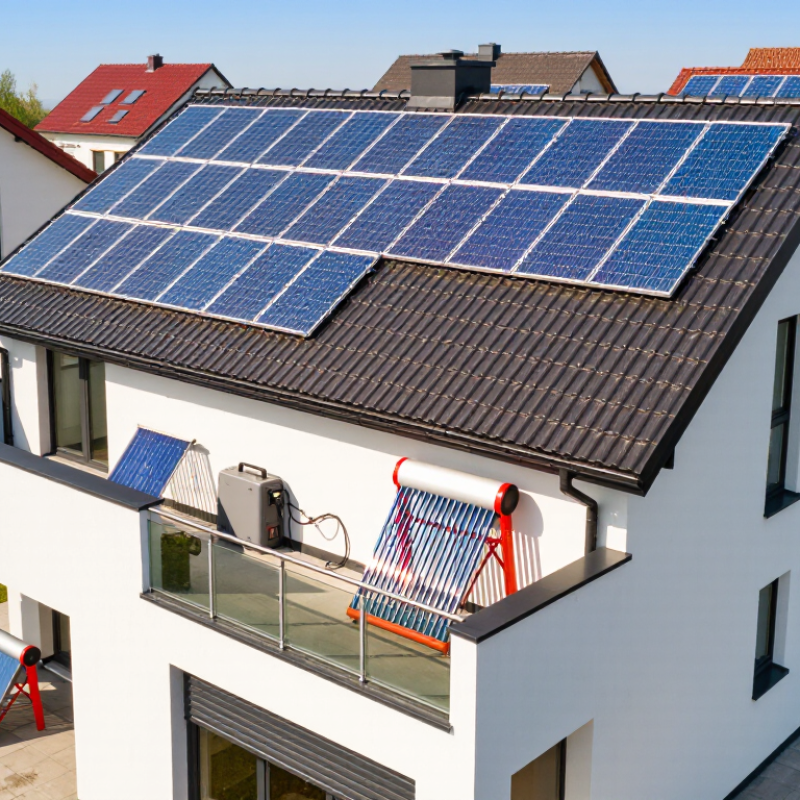
Solar home energy systems generate, store, and distribute electricity for household use. Most systems begin with photovoltaic modules, which convert sunlight into direct-current electricity. An inverter changes this power into alternating current for appliances. Batteries store unused energy for evenings, cloudy hours, or outages. A charge controller, monitoring meter, mounting structure, and protective wiring complete the system.
Operating principles vary by design. Grid-connected systems send surplus electricity to the utility network and draw power when solar production falls. Off-grid systems rely on batteries and usually need careful load management. Hybrid systems combine grid access, solar generation, and battery storage. In a typical home, sunlight reaches the panels, power passes through the inverter, and appliances consume it immediately. Excess energy charges the battery.
System sizing requires more than counting panels. A refrigerator may start with a brief surge, while heating equipment can drain a battery quickly. Local sunlight, roof direction, seasonal temperatures, and daily usage all affect performance. Battery losses are real. Panels also produce less during dust, shade, or heavy cloud. The phrase “energy independent” can therefore mislead buyers. A reliable assessment records hourly loads, checks roof conditions, and includes safe disconnects and ventilation where required. Professional installation and local electrical compliance remain essential. Even careful designs may need adjustment after several months of measured household data.
Solar home energy systems combine photovoltaic modules, power electronics, optional batteries, protection equipment, and household loads. The chart compares representative PV array sizes commonly associated with different residential system configurations.
Values are indicative residential design points measured in kilowatts-peak (kWp). Actual sizing depends on household electricity demand, solar resource, roof area, battery autonomy, local regulations, and backup requirements.
Grid-connected solar systems suit homes with reliable utility service and predictable daytime energy use. Solar panels produce direct-current electricity, while an inverter converts it for household appliances. Excess power can flow to the grid, depending on local export rules and compensation rates. During a sunny afternoon, the system may power a refrigerator, water pump, and washing machine together.
A practical design begins with twelve months of electricity bills, roof measurements, and shade observations. A qualified installer should check roof strength, cable routes, grounding, and utility interconnection requirements. Local authorities may require permits, inspections, and an approved meter. System monitoring can show daily production, household consumption, and unusual performance drops. These details help homeowners identify problems before they become expensive.
Grid-connected systems usually stop supplying the home when the utility grid fails. Not during outages. This safety feature protects repair crews from unexpected electricity. Battery storage or approved backup equipment is needed for emergency power. The economics are not always simple. A larger array is not automatically better, especially when export payments are low. In some homes, shifting laundry and water heating into sunny hours improves savings more than adding panels. Roof direction, seasonal weather, tariffs, and future electricity prices all affect the result. Careful planning remains necessary, because early estimates can look more certain than real household behavior.
A household solar system must match real daily habits, not just a panel’s advertised output. Off-grid homes need panels, charge controllers, batteries, inverters, protection devices, and careful energy planning. Backup systems can be smaller, supporting refrigerators, lights, internet equipment, and medical devices during outages. The distinction matters. A family using electric heating may need far more storage than expected. Use a twelve-month load review, including winter sunlight and cloudy-day demand.
For off-grid operation, size batteries for overnight use and several low-sunlight periods. Lithium batteries can offer high usable capacity, while other chemistries may suit tighter budgets. A practical setup places batteries in a dry, temperature-controlled, ventilated area where permitted.
An inverter’s continuous rating must cover the refrigerator’s running load and its starting surge. Grounding, disconnects, overcurrent protection, and cable sizing require review by a qualified electrician. Follow local electrical rules.
Switch off grid supply and observe actual performance. Does the pump start? Can the battery last through the night? Real testing exposes weak assumptions, especially when several appliances start together. I have seen plans fail because standby consumption was ignored. No design is perfect. Leave expansion space for extra panels or storage, but do not oversize blindly. More equipment can increase cost, maintenance, and installation risk. Record battery temperature, charge cycles, and outage duration to refine future decisions.
Top 10 Solar Home Energy System Types for Global Buyers
Hybrid solar systems combine rooftop photovoltaic panels, batteries, grid power, and sometimes backup generators. They suit homes facing outages or unstable electricity prices. The International Energy Agency reported that global renewable capacity additions reached 510 gigawatts in 2023, with solar power leading growth. This expansion supports wider access to hybrid equipment, but local installer quality still varies sharply.
Storage-integrated systems capture midday electricity for evening cooking, cooling, and electric-vehicle charging. A typical household may need a 5–15 kWh battery, depending on daily consumption and outage risk. The IEA’s Batteries and Secure Energy Transitions report highlights rapid battery deployment, while warning that supply chains and recycling capacity need further development. Buyers should check usable capacity, warranty conditions, thermal protection, and replacement costs. Cheap storage can become expensive after several hot summers.
Solar thermal systems use sunlight to heat water rather than generate electricity. They can reduce electric water-heating demand in sunny regions, especially for homes with large hot-water use. The IEA Solar Heating and Cooling Programme’s Solar Heat Worldwide 2024 report estimated about 560 GWth of solar thermal capacity worldwide by the end of 2023. However, winter performance, roof orientation, freezing temperatures, and household water habits require careful assessment. Solar thermal is not automatically better than photovoltaic heating. The right choice depends on climate, roof area, and actual hot-water demand.
| Rank | System Type | Core Configuration | Typical PV Size | Typical Battery Size | Backup Capability | Typical PV Efficiency | Primary Applications | Installation Complexity | Key Buyer Consideration |
|---|---|---|---|---|---|---|---|---|---|
| 1 | Grid-Tied Solar PV System | Solar modules, grid inverter, protection equipment, and utility connection | 3–10 kW | None | No, unless specially configured | Approximately 18–23% | Reducing daytime electricity purchases and exporting surplus power | Low to medium | Local interconnection rules, export limits, and electricity tariff structure |
| 2 | Hybrid Solar and Battery System | PV array, hybrid inverter, battery bank, household loads, and grid connection | 4–12 kW | 5–30 kWh | Essential loads for approximately 4–24 hours | Approximately 18–23% | Self-consumption, peak-load management, and short-duration outage protection | Medium | Battery usable capacity, backup-load design, and inverter surge rating |
| 3 | Off-Grid Solar Home System | PV array, charge controller, battery bank, off-grid inverter, and optional generator | 2–15 kW | 10–60 kWh | Designed for continuous operation without a utility grid | Approximately 18–23% | Remote homes, rural properties, cabins, and weak-grid locations | High | Seasonal solar resource, energy budgeting, battery autonomy, and backup generation |
| 4 | Solar-plus-Storage Backup System | PV system, battery storage, automatic transfer equipment, and dedicated backup circuits | 4–15 kW | 10–40 kWh | Critical loads for approximately 8–48 hours | Approximately 18–23% | Refrigeration, lighting, communications, medical equipment, and selected appliances | Medium to high | Define essential circuits carefully and check battery cold-weather performance |
| 5 | AC-Coupled Retrofit Storage System | Existing PV inverter combined with a separate battery inverter and battery bank | Existing system, commonly 3–10 kW | 5–30 kWh | Usually essential loads for 4–24 hours | Approximately 18–23% | Adding storage to an operational grid-connected PV installation | Medium | Compatibility with the existing inverter, available switchboard capacity, and conversion losses |
| 6 | DC-Coupled Solar and Storage System | PV array and battery connected on the direct-current side through a shared hybrid inverter | 5–15 kW | 10–40 kWh | Essential or whole-home backup, depending on inverter size | Approximately 18–23% | New-build systems designed for high solar capture and battery charging | Medium to high | Shared inverter limits, battery voltage range, and future expansion options |
| 7 | Solar Water Heating System | Solar thermal collectors, insulated hot-water storage tank, pump or thermosiphon loop, and auxiliary heater | Not applicable | Hot-water tank: 150–300 L | Thermal hot-water reserve; no electrical backup by itself | Approximately 40–70% useful solar heat | Domestic hot water and reduction of electric or fuel water-heating demand | Medium | Roof orientation, freeze protection, water quality, tank location, and auxiliary heating |
| 8 | Solar Space-Heating System | Solar thermal collectors, thermal storage, circulation controls, and radiant or forced-air distribution | Not applicable | Thermal storage: 300–2,000 L | Heat reserve only; auxiliary heating is normally required | Approximately 30–60% useful solar heat | Low-temperature space heating, radiant floors, and seasonal heating assistance | High | Building insulation, winter solar availability, thermal storage volume, and heat distribution temperature |
| 9 | Solar PV and Heat-Pump System | Solar PV, inverter, air-source or ground-source heat pump, and optional electrical storage | 4–12 kW | Optional: 5–30 kWh | Heating and cooling backup depends on battery and inverter sizing | Approximately 18–23% | Efficient space heating, cooling, and domestic hot-water production | Medium to high | Heat-pump seasonal performance, electrical service capacity, climate, and cold-weather output |
| 10 | Solar PV, Battery, and Electric Vehicle Charging System | PV array, hybrid inverter, battery, bidirectional or managed EV charger, and energy-management controls | 6–15 kW | 10–40 kWh | Home backup; vehicle backup depends on compatible bidirectional equipment | Approximately 18–23% | Solar self-consumption, home electrification, smart charging, and transport-energy management | High | Vehicle charging demand, service-panel capacity, charging schedule, and bidirectional charging availability |
Global buyers should compare ten common solar home energy system types: grid-tied, off-grid, hybrid, AC-coupled, DC-coupled, rooftop, ground-mounted, portable, solar-plus-storage, and community-connected systems. Each serves a different operating condition. A grid-tied system suits stable utility service and lower upfront costs. An off-grid system needs larger batteries, backup generation, and careful load control. Hybrid systems offer resilience, but their controls require qualified installation and regular testing.
Start with real household data, not a brochure rating. Record daily electricity use, peak evening demand, roof direction, shading, and seasonal weather. A hot climate may reduce panel output over time, while dust increases cleaning needs. Ask for tested performance data, safety certifications, degradation rates, and written warranty conditions. Local electrical rules and grid-interconnection requirements also matter. A technically strong system may still fail approval if its documentation is incomplete.
Battery chemistry, usable capacity, and replacement access deserve close attention. AC-coupled designs can suit existing solar arrays, while DC-coupled designs may reduce conversion losses in new installations. Ground-mounted systems simplify roof constraints but need secure land and protection from flooding. Portable systems are flexible, yet their limited capacity may disappoint during long outages. A simple ranking can mislead. I would request an installer’s projected annual output, outage scenario, maintenance schedule, and total cost over ten years. Even experienced buyers should challenge optimistic savings estimates. Real homes change, and yesterday’s electricity pattern may not fit next year’s needs.