What Are the Best Solar Roof Tiles in 2026?
Choosing the best solar roof tiles in 2026 requires more than comparing glossy product photos or headline efficiency figures. The International Energy Agency reported nearly 510 gigawatts of renewable capacity additions in 2023, with solar photovoltaic systems representing most new capacity. Its Renewables 2024 analysis also expects solar PV and wind to dominate global renewable growth through 2028. That expansion creates stronger innovation, but it does not make every roof suitable for integrated solar technology.
Real roofs are less forgiving. A southern roof may still lose production because of chimneys, dormers, winter shade, or nearby trees. During an assessment, installers should examine roof pitch, structural condition, local weather exposure, inverter design, wiring access, and replacement procedures. These details often matter more than a small efficiency difference. The U.S. Department of Energy highlights durability, electrical safety, and building integration as important considerations for building-integrated photovoltaics. Meanwhile, the Solar Energy Industries Association and Wood Mackenzie continue to document rapid growth in the broader U.S. solar market, although solar roof tiles remain a more specialized segment.
This guide compares leading solar roof tiles through a practical lens. It considers power output, efficiency, appearance, warranties, fire ratings, installation complexity, monitoring, and long-term service support. Manufacturer claims deserve careful checking. Warranty language can be difficult to compare, especially when labor coverage differs from product coverage. No ranking stays perfect for long. Still, homeowners can make a more reliable decision by matching each tile system to the roof, climate, budget, and installer expertise.
Define Solar Roof Tiles: PV Cells, Inverters, and Building Integration
What Are the Best Solar Roof Tiles in 2026?
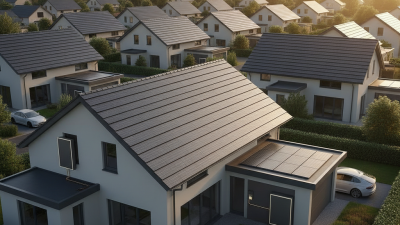
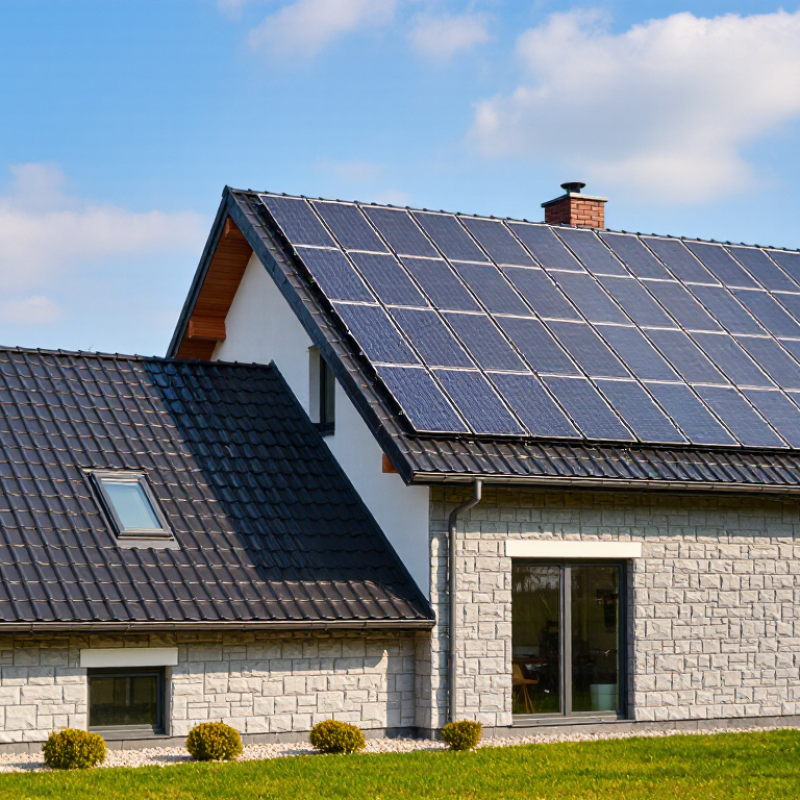
Solar roof tiles are roofing materials with photovoltaic cells built into their surface. These cells convert sunlight into direct-current electricity. A tile may look like slate, glass, or a dark architectural shingle. The visual design matters, but electrical performance matters more.
An inverter changes direct current into alternating current for household appliances. Some systems use one central inverter, while others place smaller inverters near individual tiles or roof sections. Module-level electronics can reduce losses from partial shade. They may also make fault detection easier. However, more components can mean more service points. That trade-off deserves careful inspection.
Building integration separates a genuine solar roof from panels simply placed above roofing. Installers must coordinate flashing, drainage, roof ventilation, wiring routes, and structural loads. In a site assessment, I would examine morning and afternoon shadows, not just a midday photograph. A chimney can shade several tile rows. Roof pitch, local weather, and replacement access also affect the design. A tile system may look elegant, yet repairing one damaged section could require careful removal of nearby tiles. That assumption is easy to miss. Electrical output should be checked against household demand, battery plans, and seasonal sunlight. Published efficiency figures are useful, but they rarely describe every roof. Field measurements, installation records, and clear maintenance terms provide stronger evidence than appearance alone.
Compare 2026 Tile Efficiency: 15.4% Apollo II vs. 45-W GAF Shingles
When comparing solar roof tiles in 2026, a 15.4% efficiency rating should not be placed beside a 45-watt output figure as if they measure the same thing. Efficiency describes how much sunlight becomes electricity. Wattage describes the power produced under laboratory conditions. The two figures answer different questions.
A 15.4% tile may need more roof area to produce the same energy as a higher-efficiency module. However, a 45-watt shingle can still perform well when many units cover a large roof section.
On a typical installation, I would examine usable roof space, shading, roof direction, and local sunlight hours before choosing either design. A south-facing roof with limited shade may reward higher efficiency. A broad roof with complex edges may benefit from smaller, flexible units.
Real-world output is usually lower than the specification. Heat, dust, wiring losses, and partial shade reduce production. I have seen a clean array lose noticeable energy after several hot weeks, even without visible damage. That detail is easy to overlook. Product testing also varies, so the figures need careful verification. Ask for the test conditions, temperature coefficient, degradation rate, warranty terms, and independent certification. I would also request a roof-specific production estimate rather than relying on a sales chart. My comparison is not perfect, because climate and installation quality can change the result considerably. Even a strong specification needs local evidence.
Assess Durability Using UL 7103, IEC 61215, and Fire-Rating Standards
When comparing solar roof tiles in 2026, treat certification evidence as a durability filter, not a marketing promise. IEC 61215 evaluates design qualification and type approval for terrestrial photovoltaic modules. Its test sequence can expose weak cells, solder joints, encapsulation, and structural connections. Look for thermal cycling, humidity-freeze, damp-heat, mechanical-load, and hail testing. Ask for the tested product configuration, not a similar panel.
UL 7103 is especially relevant to building-integrated photovoltaic products. It examines whether the tile system functions safely as part of a roof assembly. Review drainage paths, attachment methods, wiring protection, and service access. Fire performance needs separate attention. Check reports referencing UL 790, ASTM E108, or applicable local requirements. A fire classification may depend on roof slope, underlayment, covering, and mounting conditions. A label alone is insufficient. Real roofs face wind-driven rain, debris, freeze-thaw cycles, and careless foot traffic. No laboratory test predicts every installation mistake.
Tips:
Request the certificate, test report, installation manual, and warranty together. Match each document to the exact tile model. Photograph roof penetrations before installation. Recheck seals after the first severe storm. Inspect sample tiles under angled light. Tiny edge damage is easy to miss, and paperwork cannot reveal every weakness.
Calculate Costs and Payback with DOE and EnergySage Price Data
What Are the Best Solar Roof Tiles in 2026?
Calculate Costs and Payback with DOE and EnergySage Price Data
Solar roof tiles can protect a home while producing electricity. In 2026, compare them with standard rooftop panels, not just by appearance. DOE guidance shows that integrated solar roofing usually costs more because it combines roofing labor with electrical installation. EnergySage marketplace data can help estimate current solar pricing, but local quotes still vary widely.
A practical estimate starts with the roof area, electricity use, and local sunlight. Suppose a 7-kilowatt solar roof system costs $35,000 before incentives. If it produces 9,000 kilowatt-hours yearly, and electricity costs $0.20 per kilowatt-hour, the gross annual value reaches about $1,800. A simple payback calculation is $35,000 divided by $1,800, or roughly 19 years.
That is only a starting point.
DOE tools can refine production estimates using roof direction, shading, and weather data. EnergySage price records can show whether your quote sits above or below nearby market levels. Deduct eligible incentives carefully, because rules and qualification details can change. Also price roof replacement, inverter service, insurance, and battery storage separately. A battery may improve resilience, but it can lengthen payback.
My estimate remains imperfect. Export credits may fall, electricity rates may rise, and shaded tiles can underperform. Ask installers for production guarantees, itemized labor costs, warranty terms, and a year-by-year cash-flow model before signing.
Choose Tiles by Roof Design, Climate, Warranty, and Energy Demand
What Are the Best Solar Roof Tiles in 2026?
Solar roof tiles should match the roof, climate, warranty, and household demand.
A complex roof with valleys, dormers, and skylights may need smaller tile sections. Large, uninterrupted roof planes usually simplify installation. The IEA PVPS Trends 2024 report recorded more than 1.6 terawatts of global solar capacity by the end of 2023. That growth improves technology, but it does not make every roof suitable. Shading still matters. NREL’s PVWatts model shows that orientation, tilt, temperature, and shade strongly affect expected production.
Climate changes the selection.
In hot regions, compare temperature coefficients and ventilation details. In snowy areas, inspect load ratings and snow-shedding design. Coastal homes need strong corrosion protection. Warranty length matters, but coverage terms matter more. Check product, power, labor, and weather exclusions separately. A long power warranty may sound reassuring. It may not cover installation defects.
Tips:
Request a twelve-month production estimate using your actual electricity bills. Ask the installer to model morning and afternoon shade. Compare annual output with your household’s highest-demand months. The U.S. Energy Information Administration reports that air-conditioning can sharply increase summer electricity use, so seasonal matching deserves attention. I would not choose tiles by appearance alone. Even careful estimates can miss future tree growth, battery losses, or roof repairs. Leave room for that uncertainty.